When cancer treatment ends, everyone expects it to be a moment of celebration. The hospital visits are finally over. The chemo is done. The scans look clear. You’ve rung the bell or taken that symbolic “last dose” selfie. Friends and family congratulate you, saying, “It’s all behind you now!”
But here’s the truth that few talk about — the story doesn’t end there. In fact, life after cancer treatment can be one of the most complex, emotional, and quietly brave chapters of all.
The Pause After the Storm
For months — maybe years — your life has revolved around treatment schedules, medicines, side effects, and doctor visits. There was a rhythm to it, even if it was difficult. And suddenly, it stops.
You’re grateful, of course. But at the same time, there’s this strange silence. You wonder, “Now what?”
Many survivors describe this phase as a mix of relief, fear, and uncertainty. You’ve been fighting a visible battle, and now the enemy seems invisible. Every small ache or pain makes you anxious. You feel grateful for your body — yet wary of it.
It takes time to adjust. And that’s perfectly okay.
Rebuilding Your Body
Cancer treatment — whether it’s chemotherapy, radiation, or surgery — takes a toll on the body. Fatigue, hair loss, nerve pain, appetite changes, and weakened immunity are common side effects that linger long after the last hospital visit.
Healing, in this stage, means rebuilding. Slowly, gently, and consistently.
Here’s what helps:
- Eat nourishing food. Think home-cooked, easy-to-digest meals. Include fruits, vegetables, whole grains, and good fats. Ayurveda recommends satvik ahar — fresh, light, and energizing food that helps the body regain balance.
- Hydrate and detox naturally. Herbal teas like tulsi, ginger, or jeera water help flush toxins and calm the system.
- Move gently. Your body might not be ready for intense workouts, but small steps count. A 10-minute walk, stretching, or gentle yoga can help your muscles and mind reconnect.
- Rest deeply. Sleep is your body’s repair mechanism. It’s when cells renew and energy returns.
Remember, healing isn’t about bouncing back fast. It’s about learning to listen to your body again.
The Emotional Recovery
Many people assume that once treatment ends, you’ll simply “go back to normal.” But often, there’s no going back — you’ve been changed, deeply and permanently.
You might feel gratitude and peace one moment, and anxiety or sadness the next. That’s normal. You’ve survived something life-altering. Processing that takes time.
Some people experience:
- Fear of recurrence – the quiet worry that the disease might return.
- Mood swings or irritability – due to hormonal changes or post-treatment fatigue.
- Feeling lost – after being constantly cared for, suddenly having less medical supervision can feel unsettling.
Talking helps. Whether it’s to a friend, counselor, or support group, expressing what you’re feeling is part of recovery.
There are wonderful cancer survivor groups in India today — both online and in-person — where people share experiences, celebrate small milestones, and remind each other that healing is a shared journey.
Relationships After Cancer
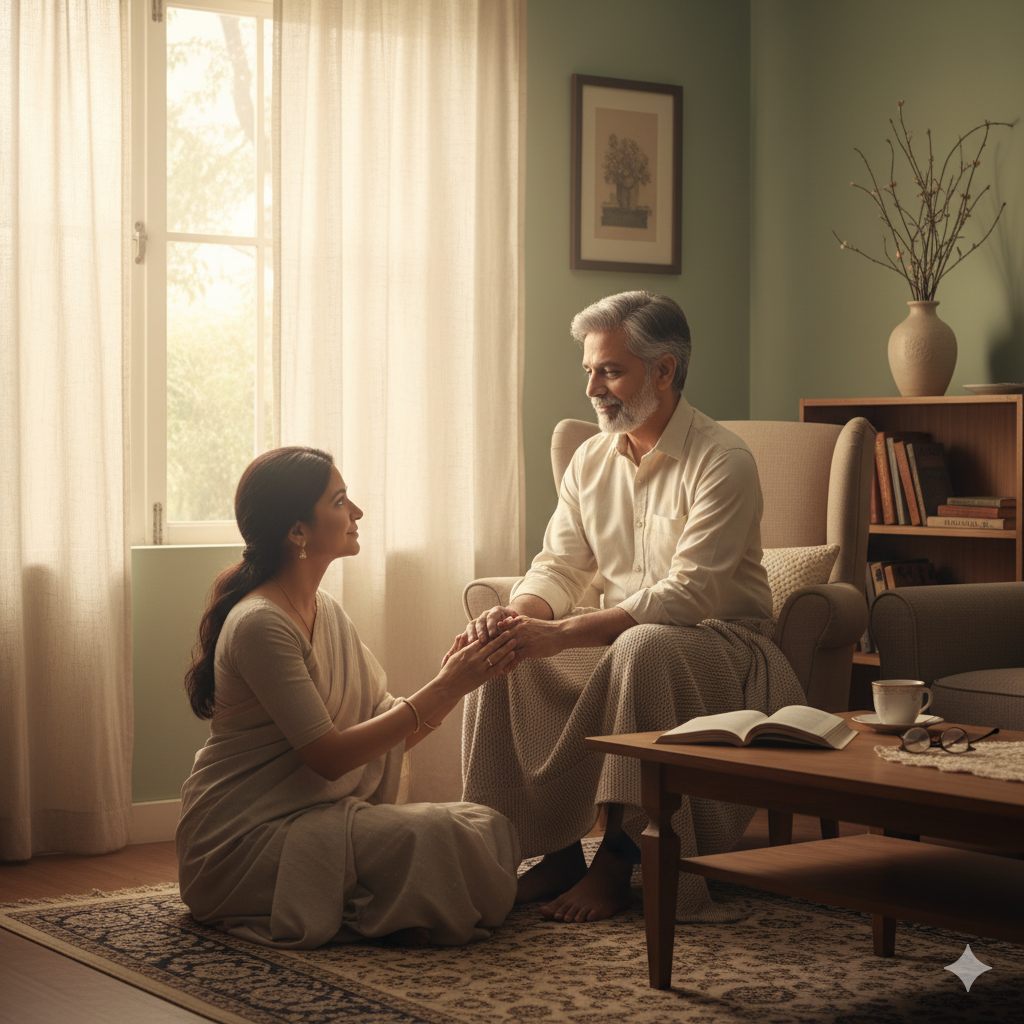
Cancer affects everyone in the family. Partners, children, friends — all go through their own rollercoaster of emotions.
After treatment, relationships sometimes shift. You may crave space while your loved ones stay overly protective. Or you may feel misunderstood because you’re physically “fine” but mentally still recovering.
Open conversations can help. Let your family know what support feels good for you now — maybe it’s company on a walk, or maybe it’s quiet time. Reconnecting doesn’t mean pretending everything’s okay. It means learning to meet each other again, in this new normal.
Finding a New Purpose
Surviving cancer often changes how you see life. Many people say it gives them a sharper sense of what truly matters.
You might find yourself drawn to new things — volunteering, travel, cooking, writing, or simply slowing down to enjoy life’s little moments. You might want to help others going through what you’ve faced. Or you might just want peace and routine after years of chaos.
There’s no “right” way to live after cancer. What matters is living fully, in whatever way feels right to you.
Keeping Health in Check
Even after treatment ends, regular medical follow-ups are crucial. These checkups aren’t just to look for recurrence — they help monitor your overall health and recovery.
Here are a few habits that can make a big difference:
- Stick to your follow-up schedule. Whether it’s every few months or once a year, don’t skip your appointments.
- Stay active. Gentle physical activity improves mood and keeps your body strong.
- Eat well. Choose simple, balanced meals. Avoid processed food, too much sugar, or alcohol.
- Manage stress. Meditation, deep breathing, or spending time in nature can help keep anxiety in check.
- Watch for new symptoms. Most post-treatment issues are harmless, but if something feels off, talk to your doctor early.
And perhaps most importantly — celebrate your milestones. Every clear scan, every small progress in energy or mood, is worth acknowledging.
Ayurveda’s Take on Post-Cancer Healing
Ayurveda views recovery as a holistic process — restoring balance to the body, mind, and spirit.
After a disease as intense as cancer, the body’s ojas (vital energy) is usually depleted. Ayurveda focuses on rebuilding this through nourishment, rest, and emotional peace.
Some Ayurvedic practices that complement modern recovery:
- Rasayana therapy: Rejuvenating herbs like ashwagandha, amla, and guduchi help strengthen immunity and vitality.
- Gentle detoxification: After consulting an Ayurvedic doctor, mild cleansing routines like drinking warm water or herbal teas can support digestion and healing.
- Abhyanga (oil massage): Calms the nervous system, improves circulation, and promotes relaxation.
- Mind healing: Meditation, chanting, or mindfulness can help release emotional tension stored in the body.
Always consult your oncologist before trying any Ayurvedic supplement or therapy. When used thoughtfully, Ayurveda and modern medicine can beautifully support each other.
Life Beyond the Hospital
Life after cancer treatment is not about “going back” — it’s about moving forward. You’ve seen how fragile and precious life can be. You’ve discovered strength you didn’t know you had.
Yes, there may still be fear. There may be scars, physical or emotional. But there’s also hope — the quiet kind that grows slowly, day by day.
Many survivors say that this phase taught them to appreciate simple joys: morning sunlight, a walk with friends, a shared meal, laughter without reason. These small moments become your new milestones.
You’re not the same person you were before cancer — and that’s not a bad thing. You’re wiser, more aware, and perhaps more alive than ever before.
Have you or someone you love gone through this journey of life after treatment?
What helped you rebuild your strength — physically or emotionally? Share your thoughts and experiences — your story might inspire someone else who’s just stepping into life beyond the hospital.