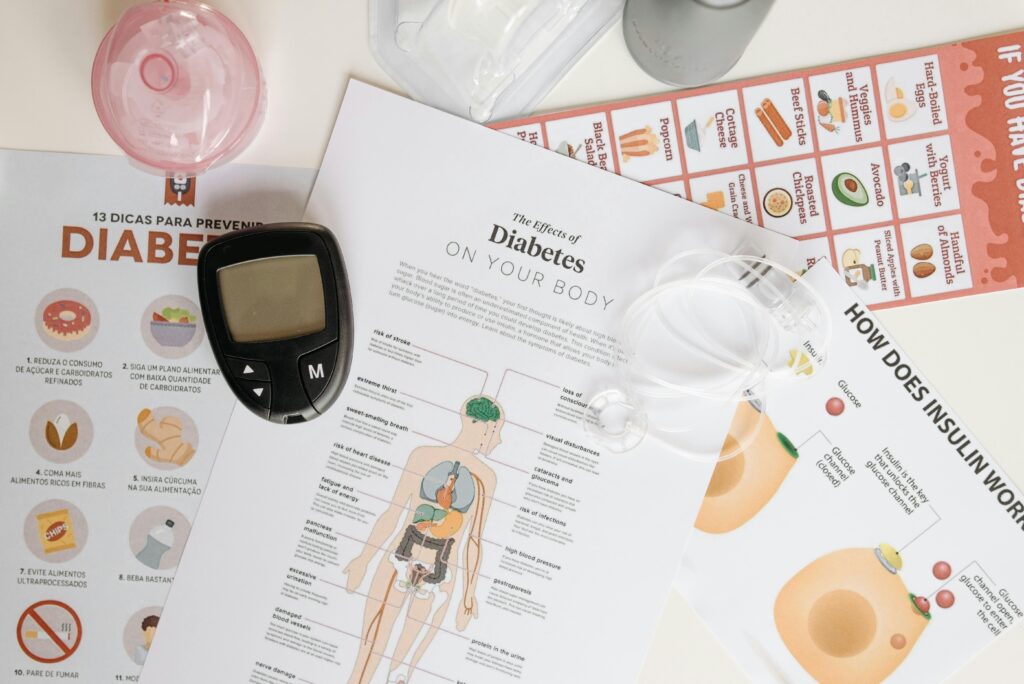
Diabetes after 60 can be tricky. Your body doesn’t respond the same way it did in your younger years, and sometimes even small slips in routine can throw your sugar levels off balance. The good news is that most of these ups and downs are linked to everyday habits — things we do without even thinking about them.
The truth is, managing diabetes isn’t just about taking medicines or avoiding sweets. It’s about making small but smart choices every day. Here are seven common habits that quietly make diabetes worse — and what you can do instead to stay healthy and active.
1. Skipping Breakfast
Many people think skipping breakfast helps control weight or sugar levels. But for older adults with diabetes, missing that first meal can actually backfire.
When you stay hungry for too long, your body releases stress hormones like cortisol to keep you going — and that pushes up your blood sugar.
Try this instead:
Start your morning with a balanced meal that includes protein, fiber, and healthy fat. Oats with nuts, a vegetable omelette with whole-grain toast, or idlis with sambar are all great choices to keep your sugar steady through the day.
2. Eating Too Many Refined Carbs
White rice, bread, noodles, and biscuits are comfort foods — but they’re also the main culprits behind sudden sugar spikes. These refined carbs digest quickly and raise your blood sugar faster than your body can handle.
Try this instead:
Switch to complex carbs like brown rice, millets, or whole wheat. These digest slowly and give you long-lasting energy without the crash. Even small changes — like replacing half your rice with millets — can make a difference.
3. Sleeping Too Little
As you age, good sleep becomes even more important. Your body repairs itself during rest, and skipping those precious hours can raise your blood sugar. Poor sleep increases stress hormones and affects how your body uses insulin.
Try this instead:
Aim for 7–8 hours of restful sleep every night. Keep a bedtime routine — dim the lights, put away your phone, and listen to calming music. A little discipline at night can do wonders for your mornings.
4. Sitting for Long Hours
Watching TV, reading, or just relaxing is part of a peaceful retirement — but sitting for long hours can harm your health. When your muscles stay idle, they use less glucose, and your sugar levels rise.
Try this instead:
Move often. Take short walks after meals, do light stretches while watching TV, or water your plants. Even five minutes of gentle activity every hour can help improve sugar control and keep joints flexible.
5. Ignoring Stress
Worry about family, finances, or health is natural — but constant stress silently affects your blood sugar. The stress hormones released when you’re anxious increase glucose levels in your blood.
Try this instead:
Find small ways to relax. Meditation, slow breathing, gardening, or listening to devotional music can calm the mind. Talking to loved ones also helps lighten your mood. Remember, emotional balance is just as important as physical health.
6. Not Drinking Enough Water
Many people don’t realise how dehydration can affect sugar levels. When you don’t drink enough water, glucose concentration in your blood increases. Over time, this makes it harder for your body to stay balanced.
Try this instead:
Keep a bottle of water handy and sip through the day. Coconut water, infused water with mint or cucumber, or plain warm water after meals are all good choices. Avoid sugary drinks and packaged juices — they give a quick sugar rush and leave you thirstier.
7. Skipping Regular Check-Ups
Diabetes complications often begin silently. Skipping doctor visits or delaying lab tests can mean missing early signs of trouble — especially with your eyes, kidneys, or nerves.
Try this instead:
Schedule regular health checks every 3–6 months. Track your blood sugar, HbA1c, cholesterol, and blood pressure. Share your reports with your doctor — small adjustments in diet or medicine at the right time can prevent big problems later.
In the End
Living with diabetes after 60 doesn’t mean living with restrictions. It simply means living with awareness. By being mindful of your everyday habits — what you eat, how much you move, how well you sleep, and how calm you stay — you can keep your sugar levels stable and enjoy a healthier, fuller life.
Remember, your habits have power. Change them gently, one at a time. You’ll soon notice that small daily choices add up to big health wins.
What lifestyle changes have you made for managing diabetes?
Share your thoughts and experiences below — your story might inspire someone else to start their journey today.