When we think about men, especially in the Indian context, we imagine strength.
The dependable one.
The problem-solver.
The person who holds the family together no matter what.
But beneath that steady exterior, men carry far more emotional weight than they are ever allowed to show. And as men age—when careers shift, roles change, and health starts needing more attention—the mind begins to feel this pressure in ways that often go unnoticed.
Mental health in men is not discussed enough.
Not in homes.
Not in families.
Not even among friends.
This silence has shaped generations of men who learned to hide their fears, soften their pain, and lock away their vulnerabilities. But the cost of this silence is huge—on their well-being, their relationships, their health, and their sense of self.
It’s time we speak openly, gently, and honestly about men and mental health.
Why Men Struggle to Talk About Their Feelings
From a young age, boys hear messages like:
“Be strong.”
“Don’t cry.”
“Take it like a man.”
“Handle it yourself.”
These words may seem innocent, but they slowly teach men to suppress emotions.
As the years pass, this emotional self-control becomes so automatic that men reach adulthood without the tools to express what they really feel.
By the time they enter their 40s, 50s, 60s, and beyond, many men carry:
Unspoken fears
Unresolved childhood experiences
Financial stress
Career pressure
Relationship tensions
Buried grief
Loneliness they’re ashamed to admit
The truth is simple:
Men feel everything—deeply—but they’re rarely taught how to say it.
And so the silence continues.
The Mental Health Triggers Men Don’t Recognise
Men often experience emotional strain differently.
It rarely looks like sadness or crying.
Instead, it shows up as:
Irritability
Fatigue
Withdrawal
Short temper
Restlessness
Low motivation
Avoiding conversations
Disturbed sleep
Loss of appetite
Or eating too much
Overthinking
Increased reliance on alcohol or tobacco
These signs are often brushed aside as stress, age, or “just a phase.”
But these are often early indicators of deeper mental health challenges.
Here are some of the most common triggers for men.
1. Retirement and Loss of Identity
For decades, work gives men:
Structure
Purpose
Connection
Pride
A sense of being needed
When retirement arrives, the daily rhythm that once shaped their lives suddenly disappears.
Many men struggle quietly with questions like:
“What is my role now?”
“What am I supposed to do every day?”
“Who am I without my job?”
This identity shift can trigger anxiety, loneliness, and even depression.
But because the change is “expected,” many families fail to see the emotional impact it has.
2. Health Issues That Affect the Mind
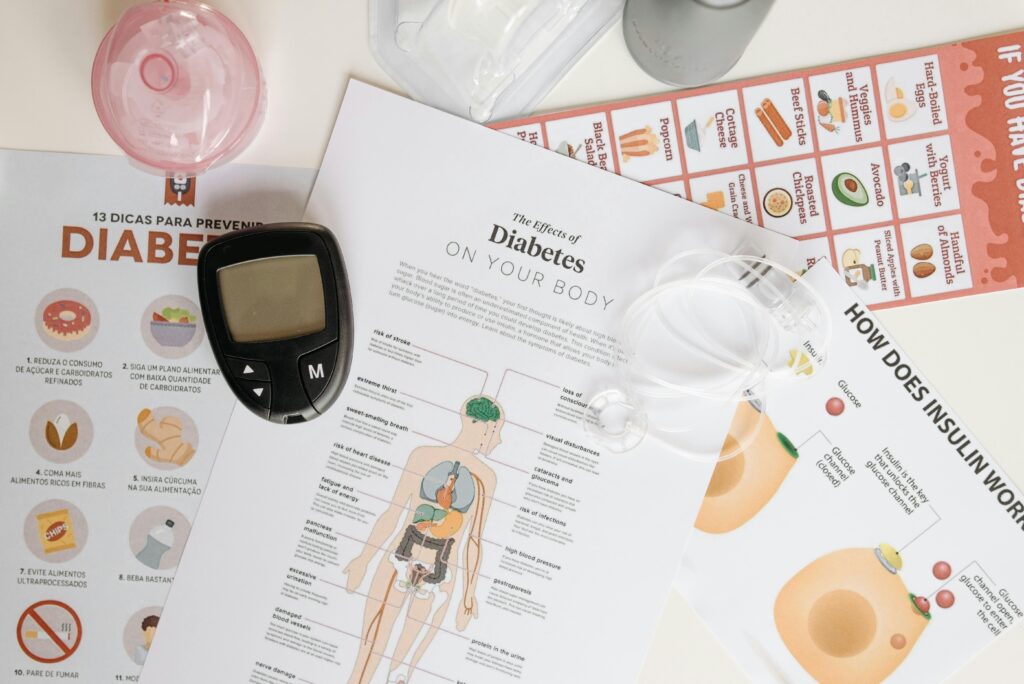
As men age, chronic health conditions—diabetes, heart problems, arthritis, prostate issues—begin to surface.
These conditions don’t just impact the body; they take a toll on mental health too.
Pain, fatigue, and reduced mobility limit independence.
Medication side effects affect mood.
Frequent check-ups create stress.
And fear of the future creates uncertainty.
For men who have always been self-reliant, these changes can be emotionally overwhelming.
3. Relationship Changes at Home
Children move out.
Grandchildren grow up.
Partners may have their own health struggles.
Routines shift.
These changes create new kinds of silence at home.
Some men feel disconnected.
Some feel invisible.
Some feel they’ve lost their place in the family hierarchy.
Even in loving homes, men often feel emotionally left out because they don’t know how to express their need for companionship.
4. Financial Stress—Even After Retirement
Money worries rarely end at 60.
Medical costs, household expenses, family obligations, or unexpected situations create stress that many men prefer not to share.
They carry financial concerns quietly, not wanting to worry anyone.
But carrying these burdens alone adds to the mental load.
5. Loss of Friends
By the time a man reaches his 60s and 70s, he has often lost friends to illness, distance, or life changes.
Friendships are more than social connections—they’re emotional anchors.
Losing them leaves a significant void.
But most men don’t rebuild new friendships later in life.
Instead, they accept isolation as a part of aging—even though the heart longs for connection.
6. Emotional Baggage They Never Processed
Many men have past experiences they never shared with anyone.
Childhood trauma.
Stressful marriages.
Regrets.
Failures.
Loss.
Guilt.
Broken friendships.
Unfulfilled dreams.
Without healthy emotional outlets, these unresolved experiences resurface as anxiety, anger, or low mood later in life.
How Men Cope—Often in Unhealthy Ways
Because men were never taught to express emotions, they often cope through:
Staying unusually busy
Avoiding conversations
Overworking
Overeating
Overdrinking
Excessive TV or mobile use
Withdrawing from family
Dismissing feelings as “nothing”
These coping mechanisms numb the pain but never solve it.
Over time, they create more emotional distance and more loneliness.
Why Talking About Men’s Mental Health Matters
Mental health in men isn’t just a personal issue—it affects the entire family.
When a man struggles emotionally:
His relationships weaken
His confidence drops
His physical health worsens
His stress spills into the household
His ability to enjoy life decreases
His decision-making clarity reduces
Supporting a man’s mental health helps everyone around him.
A healthy mind means a healthier family environment.
What Men Actually Need—But Rarely Ask For
Men don’t need grand gestures.
They need small, meaningful support.
1. They need to feel heard.
Not judged.
Not corrected.
Just heard.
2. They need emotional permission.
A gentle opening like,
“You seem a bit quiet lately—want to talk about it?”
3. They need simple company.
A shared tea.
A walk together.
A relaxed conversation.
Nothing elaborate.
4. They need reassurance.
A reminder that aging is not losing value.
5. They need activities that give purpose.
Volunteering, mentoring, gardening, music, a part-time role—anything that rebuilds identity.
6. They need family involvement.
Including them in planning, discussions, and decisions makes them feel relevant.
7. They need healthier social circles.
Encouraging them to reconnect with old friends or join senior groups makes a huge difference.
8. They need emotional acceptance.
Simply knowing that it’s okay to feel tired, anxious, or sad creates a safe space.
Mental health care for men begins with understanding—not solutions.
When Professional Help Can Make a Difference
There is no shame in therapy.
No weakness in counselling.
No failure in seeking emotional support.
In fact, professional help gives men tools they never learned growing up—tools that can transform how they see themselves and their relationships.
If a man shows signs of persistent sadness, withdrawal, hopelessness, anger, or anxiety, reaching out to a trained professional can make life easier, calmer, and healthier.
Healing is possible at any age.
Aging Should Not Be a Lonely or Silent Journey
Men deserve emotional comfort just as much as women.
They deserve support, understanding, and warmth.
They deserve spaces where they can express their fears without feeling judged.
They deserve the kind of care they spent their whole lives giving others.
Mental health is not about weakness—it’s about being human.
And when we acknowledge the emotional world of men, we help them age with dignity, strength, and connection.
If this reflection resonated with you, we would love to hear your thoughts.
Share your experiences, start conversations, and pass this blog forward to others who may find comfort or understanding in it.