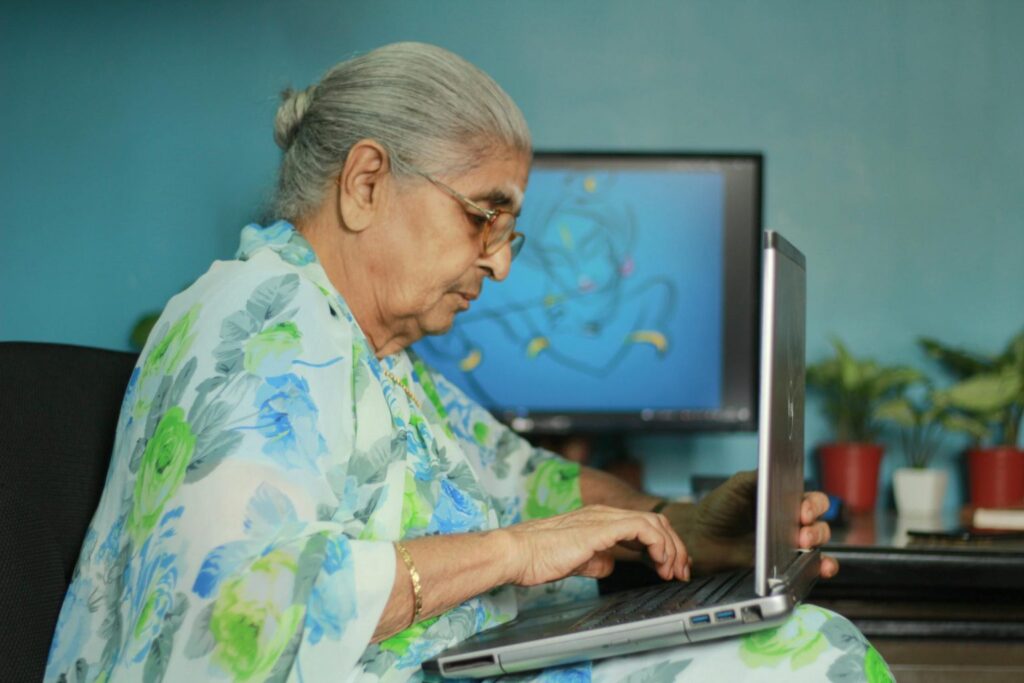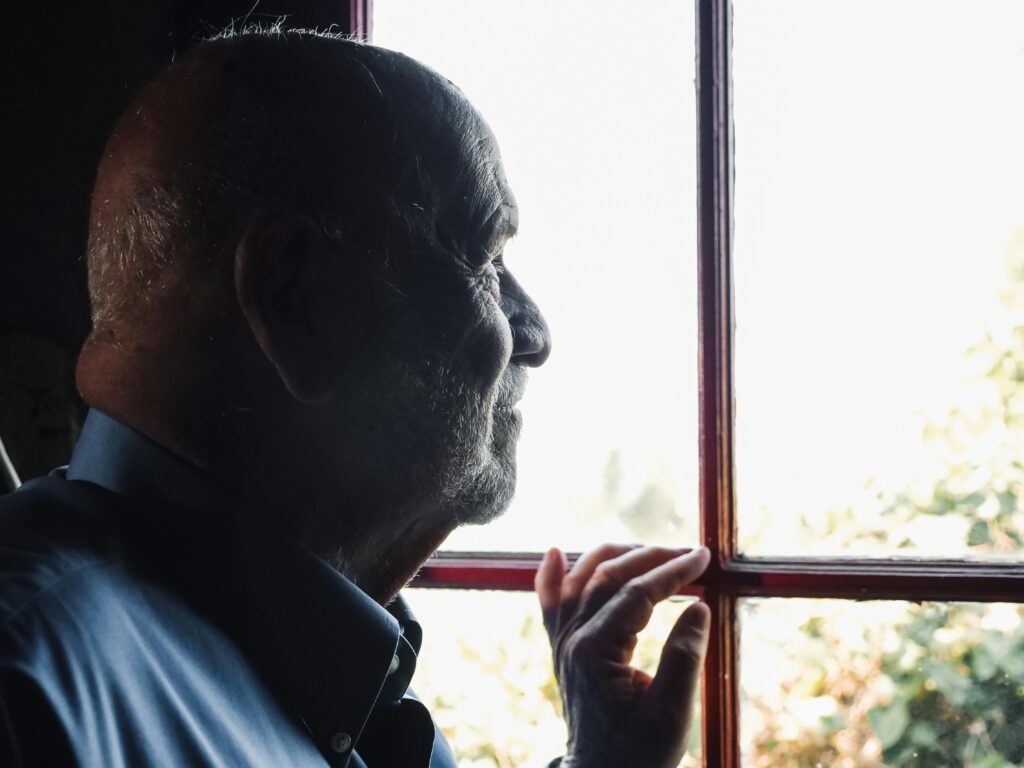
As India’s elderly population continues to grow, mental health among seniors has emerged as a critical public health issue. With over 300 million individuals projected to be over the age of 60 by 2050, the need to address mental health concerns in this demographic has never been more pressing.
The Growing Mental Health Crisis Among Seniors
Recent studies indicate that nearly 20% of India’s senior population grapples with mental health conditions, including depression, anxiety, and cognitive decline. Alarmingly, a significant portion of these cases remains undiagnosed and untreated. For instance, a study found that approximately 6.8 million older adults in India were undiagnosed for depression in 2019 (BioMed Central).
Depression is particularly prevalent among the elderly, with estimates suggesting that it affects about 34% of older adults in India (Frontiers). Factors contributing to this high prevalence include chronic physical illnesses, bereavement, isolation, and lack of access to mental health services.
Socioeconomic Factors Influencing Mental Health
Several socioeconomic factors exacerbate mental health issues among seniors:
- Isolation and Loneliness: With the migration of younger generations to urban areas and the shift from joint to nuclear family structures, many elderly individuals experience profound loneliness. Studies have shown that two-thirds of older adults in rural India report feelings of loneliness (Hindustan Times).
- Gender Disparities: Women, especially those without partners or formal education, are at a higher risk of developing mental health disorders. Research indicates that depression is more prevalent among older women than men in India (Nature).
- Economic Challenges: Many seniors face financial insecurity, lack of health insurance, and limited access to healthcare services, which can hinder their ability to seek and receive appropriate mental health care (BioMed Central).
The Importance of Addressing Mental Health in Aging
Untreated mental health conditions in older adults can lead to a decline in physical health, increased disability, and a reduced quality of life. Conditions like depression and anxiety are associated with higher rates of chronic diseases, hospitalization, and even suicide among seniors (who.int).
Conversely, addressing mental health can lead to improved physical health outcomes, better management of chronic conditions, and enhanced overall well-being. Early diagnosis and appropriate treatment are crucial in mitigating the adverse effects of mental health disorders in older adults.
Steps Toward Improvement
To combat the mental health crisis among India’s elderly, the following measures are essential:
- Awareness and Education: Raising awareness about mental health issues and reducing stigma associated with seeking help can encourage more seniors to access care.
- Accessible Healthcare Services: Expanding access to mental health services, including counseling and psychiatric care, especially in rural areas, is vital.
- Community Support: Strengthening community networks and support systems can alleviate feelings of isolation and provide emotional support to seniors.
- Policy Initiatives: Implementing policies that ensure the mental health needs of the elderly are addressed within the broader healthcare framework is crucial.
Conclusion
As India continues to age, prioritizing the mental health of its senior citizens is imperative. By acknowledging the challenges and implementing targeted interventions, we can ensure that our elderly population leads fulfilling and healthy lives.
💬 Your Thoughts Matter!
Have you or someone you know experienced mental health challenges in later years?
What steps do you think can be taken to improve mental health support for seniors in India?
Share your thoughts and experiences in the comments below. If you found this article insightful, please share it with your friends and family to help raise awareness.