Let’s be honest — when we hear the word cancer, it feels heavy. It’s one of those words that can instantly silence a conversation. And for many people, especially in their later years, there’s a quiet worry — “Am I eating right? Can I really protect myself through food?”
The good news is, food is one of the simplest yet most powerful tools we have for keeping our bodies healthy. But can diet really prevent cancer? Let’s unpack this with a blend of science and the wisdom of Ayurveda — because both have something important to say.
The Science Behind Food and Cancer
Scientists have been studying the food–cancer link for decades. While there isn’t a magic food that makes you cancer-proof, there’s plenty of evidence that your diet can lower your risk.
Cancer doesn’t appear overnight. It develops slowly, often over years, when damaged cells start multiplying uncontrollably. What we eat can either fuel or fight that process.
A few things science clearly tells us:
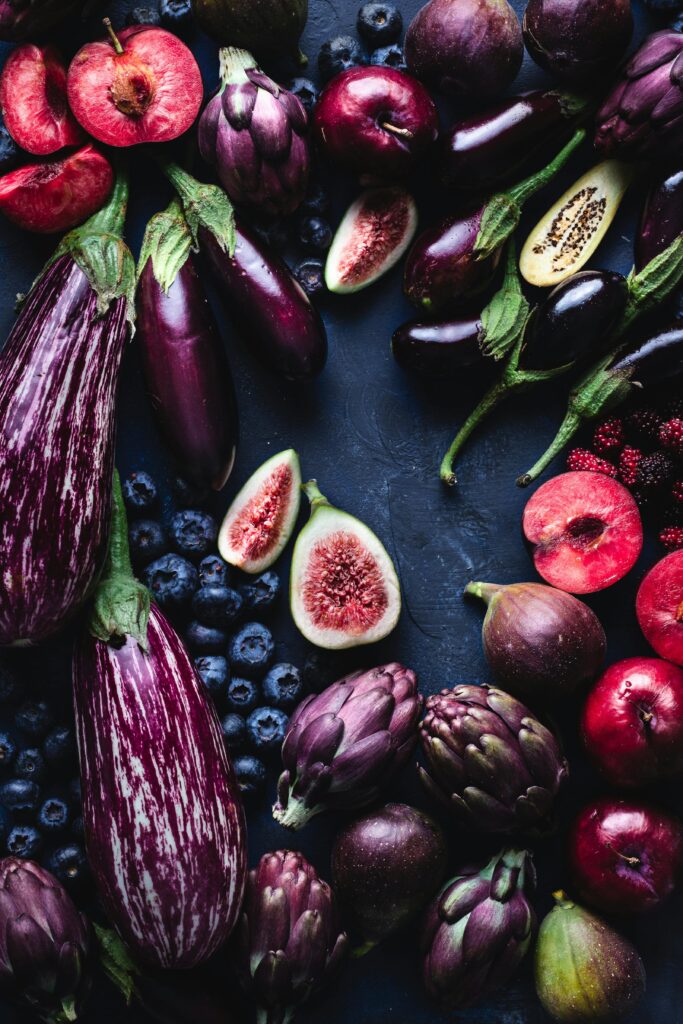
- Fruits and vegetables are your best defense. They’re rich in antioxidants — compounds that protect your cells from damage. Think of antioxidants as little soldiers that fight free radicals, the unstable molecules that can trigger cancer cell growth.
- Whole grains are better than refined ones. Refined grains lose fiber and nutrients. Fiber helps move toxins out of your body and supports gut health — which plays a big role in cancer prevention.
- Limit red and processed meats. Studies show that eating a lot of processed meats (like sausages or bacon) or too much red meat increases the risk of colorectal cancer.
- Watch sugar and alcohol. Both can increase inflammation in the body, which over time can create a setting where cancer can thrive.
So, the scientific takeaway? It’s not about one “miracle” food — it’s about a balanced, plant-rich diet that reduces inflammation and nourishes your cells every day.
The Ayurvedic View — Food as Life Force
Ayurveda, India’s ancient system of medicine, has always believed that food is not just fuel — it’s medicine. It teaches that ahara (diet) is one of the three pillars of life, along with nidra (sleep) and brahmacharya (balanced lifestyle).
From an Ayurvedic lens, disease — including cancer — begins when your body’s natural balance (dosha) is disturbed. Poor digestion, toxin buildup (ama), and weakened immunity (ojas) create fertile ground for disease.
So, in simple terms: if your digestion is strong, your immunity is strong — and that’s your best protection.
Ayurveda doesn’t use the word “cancer” in the modern sense, but it describes similar conditions as arbuda (growths or tumors). The goal is to strengthen the body’s inner intelligence so it can heal itself.
Here are some Ayurvedic principles that align beautifully with what modern science says:
- Eat fresh, not packaged. Ayurveda emphasizes satvik ahar — fresh, simple, plant-based foods that calm the body and mind. Modern science agrees: processed foods full of preservatives are a major health hazard.
- Spices are medicine. Turmeric, cumin, coriander, ginger, and black pepper aren’t just flavor enhancers — they have anti-inflammatory and detoxifying properties. Turmeric, in particular, has been studied globally for its potential cancer-fighting compound, curcumin.
- Don’t overeat. Ayurveda recommends eating until you’re about three-fourths full. Overeating burdens digestion and creates ama (toxins), which can accumulate in tissues.
- Eat for your dosha. Knowing your body type helps you choose foods that support balance. For example, those with a Kapha dominance might do better with lighter foods, while Vata types need warmth and grounding meals.
- Keep digestion happy. Sip warm water through the day, eat at regular times, and avoid mixing incompatible foods — all of which support strong agni (digestive fire).
Where Science and Ayurveda Meet
It’s fascinating how often modern research confirms what Ayurveda has been saying for centuries.
- Both agree that plant-based foods — fruits, vegetables, lentils, nuts, and seeds — are protective.
- Both warn against chronic inflammation — the slow, silent irritation that can lead to many diseases including cancer.
- Both value gut health — Ayurveda through strong agni and modern medicine through the microbiome (the community of bacteria in your gut).
- Both believe in moderation — whether it’s about sugar, red meat, or alcohol.
Essentially, the two systems speak the same truth in different languages.
Foods That Support Cancer Prevention
If you want to make your daily plate more cancer-protective, think color, freshness, and variety. Here are a few examples that fit both science and Ayurveda beautifully:
- Turmeric: Rich in curcumin, helps reduce inflammation. Add it to milk, dal, or vegetables.
- Amla (Indian gooseberry): A powerhouse of vitamin C and antioxidants.
- Garlic and onions: Help your body eliminate toxins and strengthen immunity.
- Green leafy vegetables: Spinach, methi, and drumstick leaves are nutrient-rich.
- Whole grains: Brown rice, millets, and oats support steady energy and gut health.
- Ginger and black pepper: Aid digestion and boost agni.
- Nuts and seeds: Almonds, walnuts, and flaxseeds provide healthy fats.
- Coconut: In moderation, it balances pitta and nourishes tissues.
- Tulsi and green tea: Both are excellent antioxidants.
- Seasonal fruits: Mangoes in summer, guavas in winter — nature knows best.
Lifestyle Matters Too
You could be eating the healthiest food on earth, but if you’re stressed all the time, sleeping poorly, or leading a sedentary life, your body won’t absorb the benefits.
Both Ayurveda and modern science emphasize lifestyle as a crucial part of prevention:
- Move daily. Even a gentle walk helps circulation and digestion.
- Sleep well. Your body repairs itself at night.
- Avoid toxins. Quit smoking, limit alcohol, and minimize exposure to pollution.
- Stay emotionally balanced. Ayurveda sees unprocessed emotions as another form of ama. Practices like meditation, yoga, and pranayama help cleanse the mind and body alike.
Can Food Alone Prevent Cancer?
It’s important to be realistic — diet alone can’t guarantee that you’ll never get cancer. Genetics, environment, and random mutations all play roles.
But your diet can stack the odds in your favor. It can make your body a less welcoming place for disease. It can keep your immune system alert, your inflammation low, and your energy high.
In many ways, it’s like maintaining a well-tended garden — weeds might still appear, but the stronger your soil, the better your plants will grow.
Bringing It All Together
You don’t need fancy imported foods or supplements to eat right. Your grandmother’s kitchen already knew what your body needs. A bowl of khichdi, a glass of buttermilk, or a spoon of turmeric milk — these are time-tested wisdoms, not old wives’ tales.
Science is now catching up with the simplicity of it all: food that’s natural, local, and lovingly prepared has the power to heal and protect.
So next time you sit down for a meal, think of it as more than just eating — it’s one of the most powerful choices you make for your health every day.
What about you?
Do you follow any special food habits for good health? Have you tried combining Ayurveda and modern nutrition?
Share your thoughts — we’d love to hear your experiences and learn from them.
And if you found this helpful, don’t forget to share it with others who might benefit.