We all experience pins and needles once in a while. Maybe after sitting too long in one position, or sleeping with the arm tucked under the pillow. That kind of temporary numbness is normal.
But when the tingling becomes frequent…
When the numbness doesn’t go away quickly…
When the hands feel weak, or the feet feel “asleep” even while walking…
That’s your body quietly saying, “Please pay attention.”
Numbness and tingling are not just sensations — they are signals. Signals from the nerves, blood vessels, or even the spine. And after 60, these signals matter even more because early action can prevent bigger problems later.
Let’s talk gently and clearly about why these symptoms happen, when they’re harmless, when they’re serious, and what elders should do before ignoring something important.
Why Do Hands and Feet Become Numb or Tingly?
Your nerves work like electrical wires, carrying messages from the brain to the body and back.
When something interrupts this signal — pressure, inflammation, poor blood flow, vitamin deficiency, or a health condition — you feel:
- tingling
- numbness
- burning
- pins and needles
- tightness
- weakness
These sensations can appear gradually or suddenly, and they deserve attention.
Common Causes in Older Adults
Here are the most frequent reasons for numbness and tingling after 60 — many of them treatable if caught early.
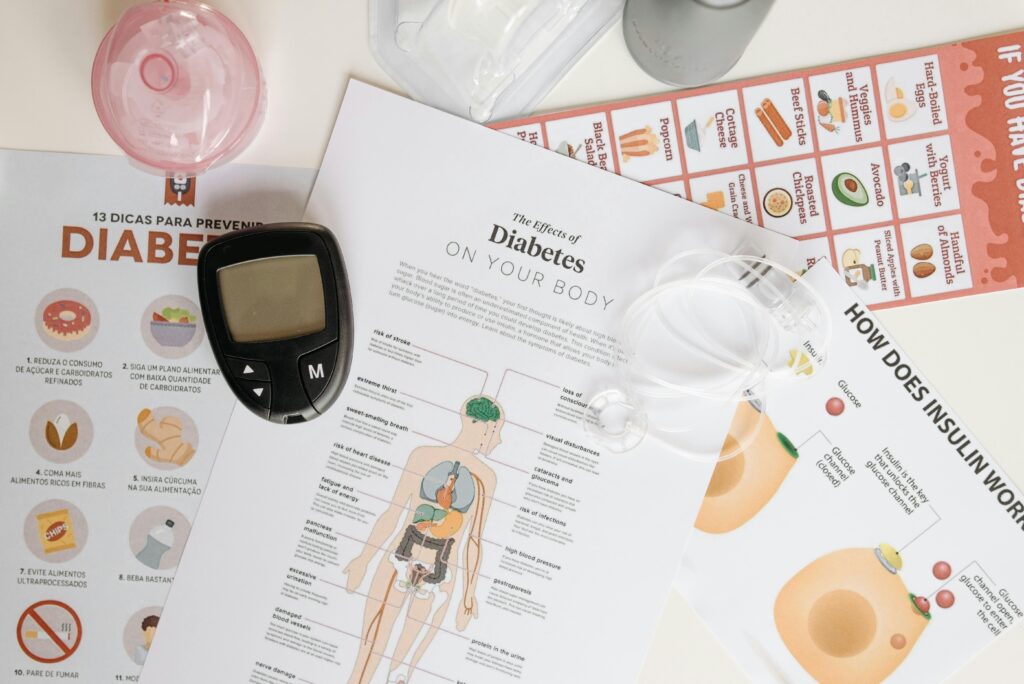
1. Diabetes — The Most Common Culprit
High blood sugar quietly damages the nerves in the hands and feet over time.
This is called diabetic neuropathy.
Symptoms include:
- tingling that starts in the toes
- burning sensation at night
- numb patches on the feet
- walking difficulties
- reduced ability to feel temperature
Even seniors with “borderline sugar” can develop nerve issues.
This is why sugar control is not just about numbers — it’s about nerve health.
2. Vitamin B12 Deficiency
A shocking number of seniors have low B12 without realising it.
Low B12 damages nerves and causes:
- numb hands
- tingling feet
- fatigue
- memory issues
- balance problems
Vegetarians are especially prone because B12 comes mainly from animal sources.
The good news?
A simple blood test and supplements can restore levels quickly.
3. Poor Blood Circulation
If blood doesn’t reach the hands and feet properly, nerves don’t get enough oxygen.
This can happen due to:
- high cholesterol
- smoking (even past smoking)
- high blood pressure
- narrow blood vessels
- heart issues
Cold feet, pale toes, or pain while walking can accompany the numbness.
4. Cervical or Spine Problems
Neck and lower back changes can pinch nerves.
This causes numbness that:
- travels down the arms
- affects fingers
- radiates to the legs
- worsens with certain movements
Many seniors think this is “arthritis,” but it may be nerve compression.
5. Carpal Tunnel Syndrome
Common among those who:
- cook a lot
- use their hands repeatedly
- have thyroid issues
- are diabetic
It causes numbness or pain in the thumb, index, and middle finger — often worse at night.
6. Thyroid Problems
Low thyroid (hypothyroidism) slows the metabolism and causes swelling around nerves.
Symptoms include:
- numb hands
- sluggishness
- weight gain
- dry skin
A simple thyroid test can clarify things.
7. Medication Side Effects
Some BP medicines, cholesterol tablets, chemotherapy drugs, or long-term painkillers can cause nerve tingling.
If symptoms began after a new medicine, your doctor should know.
8. Alcohol-Related Nerve Damage
Long-term alcohol use can reduce B12 and damage nerves, leading to chronic tingling or numbness.
9. Infections or Autoimmune Conditions
Less common, but conditions like shingles, rheumatoid arthritis, or nerve inflammation can cause numbness.
Warning Signs You Should Never Ignore
Most tingling is treatable. But some symptoms signal something more serious.
Seek medical attention urgently if you notice:
- sudden numbness in one side of the body
- slurred speech
- drooping face
- inability to lift an arm
- severe pain with numbness
- numbness that spreads quickly
These can be signs of a stroke or severe nerve compression.
What You Should Do If You Notice Numbness or Tingling
Don’t panic.
Don’t ignore.
Just follow these steps:
1. Get a Blood Test for B12, Sugar, and Thyroid
These are the most common, most treatable causes.
2. Check Your Blood Sugar Regularly
Even if you are not diabetic, sudden tingling can be a sign of borderline sugar.
3. Examine Your Posture
Long hours sitting in one position — or using the phone with the neck bent — can pinch nerves.
4. Wear Comfortable Footwear
Tight shoes or hard soles can worsen tingling in the feet.
5. Keep Moving
Short walks improve circulation and reduce nerve irritation.
6. Don’t Self-Medicate With Painkillers
They may reduce discomfort but don’t fix the underlying issue.
7. See a Doctor if Symptoms Persist for More Than a Week
Early treatment prevents long-term nerve damage.
Small Lifestyle Habits That Protect Your Nerves
Eat nerve-friendly foods:
- eggs
- curd
- nuts and seeds
- fish
- dals
- green leafy vegetables
Add gentle exercises:
- ankle rotations
- wrist stretches
- neck stretches
- walking
Stay hydrated:
Dry nerves become irritated nerves.
Limit alcohol and smoking:
Both damage nerve health.
Don’t Ignore the Early Whispers
Numbness and tingling are your nerves trying to communicate.
They’re not always dangerous — but they’re definitely meaningful.
Early attention can prevent:
- falls
- balance issues
- injuries
- long-term nerve damage
- loss of sensation
Your hands and feet are your connection to the world. They help you cook, walk, hold loved ones, stay independent, and express yourself.
They deserve care.
If you’ve been experiencing numbness or tingling, we would love to hear your story. Share your thoughts, your concerns, or what has helped you — and pass this blog along to someone who may be ignoring these early warning signs.