Joint pain is so common after 60 that most of us shrug it off.
“A little stiffness is normal.”
“It’s just age.”
“Everyone has knee pain at this stage.”
But here’s the truth many elders and families don’t hear often enough:
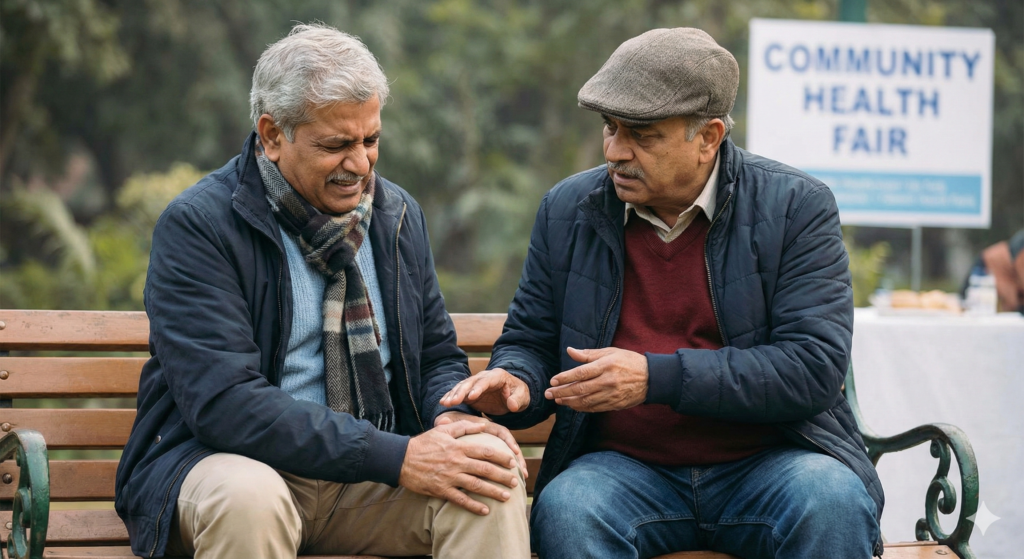
Joint pain is not a normal part of ageing.
It is a signal — a gentle, persistent warning that something in the body needs attention.
Ignoring joint pain doesn’t just make daily life harder.
It can quietly affect strength, balance, independence, mood, and even long-term mobility.
By the time the pain becomes unbearable, the damage may already be advanced.
Let’s talk honestly about why joint pain shouldn’t be brushed aside, what it may be telling us, and what we can do before it steals comfort from our everyday lives.
Why Joint Pain Happens in the First Place
Our joints are cushions that carry our weight, absorb shock, and help us move gracefully.
With age, these cushions need a little more care. But pain is never the body’s “normal.”
Here are the most common causes of joint pain in older adults:
1. Wear and Tear (Osteoarthritis)
The protective cartilage thins out over time, making movement feel stiff or painful.
Symptoms include morning stiffness, pain after activity, and difficulty climbing stairs.
2. Weak Muscles
Muscles support joints.
When muscle mass reduces after 60, the pressure shifts directly onto the joints, causing pain.
3. Inflammation
Certain foods, lifestyle habits, or health conditions can cause swelling in the joints.
4. Old Injuries Returning
A fall, sprain, or fracture from decades ago may begin to show effects now.
5. Being Overweight
Even 2–3 extra kilos put tremendous strain on the knees and hips.
6. Vitamin Deficiencies
Low Vitamin D, B12, calcium, or omega-3 levels can lead to joint pain, cramps, and stiffness.
7. Autoimmune Conditions (Like Rheumatoid Arthritis)
This is very different from age-related wear and tear and needs early treatment.
Not all joint pain has the same cause — and not all causes are harmless.
The Real Dangers of Ignoring Joint Pain
Brushing it off as “old age” can have serious consequences, especially in elders who already face balance changes and slower healing.
1. Loss of Mobility
Pain leads to reduced movement.
Reduced movement weakens muscles.
Weak muscles increase pain.
It becomes a cycle that’s hard to break.
2. Increased Risk of Falls
Stiff, painful joints reduce balance and confidence.
Falls in seniors can lead to fractures, long recovery times, and loss of independence.
3. Faster Joint Damage
Ignoring early pain allows cartilage to wear out quickly, making simple treatments less effective later.
4. Emotional Impact
Chronic pain affects mood, sleep, patience, and even relationships.
Many seniors become withdrawn simply because movement hurts.
5. Reduced Independence
When bending, walking, or using stairs becomes difficult, daily life slowly becomes restricted.
Joint pain isn’t just a body issue — it affects mental health, social life, and quality of life.
Pain Is a Message — Not an Instruction to Stop Moving
When something hurts, the instinct is to rest.
But long periods of rest actually make joint pain worse.
Movement keeps joints lubricated.
Movement strengthens the muscles that support them.
Movement reduces inflammation.
The right kind of movement — gentle, regular, simple — is medicine.
So What Should You Do If Joint Pain Has Already Started?
You don’t need to panic.
You just need to respond.
Here’s what truly helps:
1. Get a Proper Evaluation
A physiotherapist or orthopaedic specialist can identify the cause of pain:
- Is it arthritis?
- Is it a vitamin deficiency?
- Is it muscle weakness?
- Is it inflammation?
- Is it posture-related?
Knowing the cause saves a lot of guesswork.
2. Strengthen the Muscles Around the Joint
This is the most important step.
Simple exercises like:
- chair squats
- leg lifts
- wall slides
- ankle rotations
- resistance band routines
- slow walking
Even 10–15 minutes a day can ease pain and improve stability dramatically.
3. Check Vitamin D, B12, and Calcium Levels
These deficiencies are extremely common in Indian seniors.
Correcting them often reduces pain within weeks.
4. Add Anti-Inflammatory Foods
Certain foods naturally calm swollen joints:
- turmeric with pepper
- ginger
- nuts and seeds
- leafy greens
- fish
- fruits like oranges and berries
- olive oil
These foods don’t just reduce pain but help joints heal slowly over time.
5. Maintain a Healthy Weight
Losing even a small amount of weight lowers knee pressure tremendously.
Your joints will thank you.
6. Wear the Right Footwear
Hard soles, worn-out slippers, and high heels strain the joints.
Soft, supportive footwear can reduce pain instantly.
7. Use Heat or Cold Therapy
- Heat relaxes stiff muscles.
- Cold reduces swelling.
Both are simple, soothing tools for everyday pain.
8. Don’t Delay Treatment
Early care prevents:
- cartilage damage
- joint deformities
- unnecessary surgeries
- long-term pain
Delay is what turns mild pain into chronic pain.
What Pain Isn’t Telling You
Joint pain does not mean:
- you’re weak
- you’re incapable
- you’re “getting old”
- you need to stop moving
- your best years are behind you
Pain is your body asking for help — not telling you to give up.
With the right steps, many seniors return to walking comfortably, climbing stairs, and enjoying life again.
The Sooner You Listen, the Sooner You Heal
Ignoring joint pain is like ignoring a smoke alarm — it may seem harmless now, but it can lead to a bigger fire later.
Your joints carry you through every part of life:
walking to meet friends, climbing into a bus, cooking, praying, hugging grandchildren, enjoying a market stroll.
They deserve attention, respect, and care.
If you or someone you love has been living with ongoing joint pain, we would love to hear your experience. Share your story — and pass this along to someone who may be quietly enduring pain that can absolutely be eased.