We often think of our bones as strong and unshakable — something that supports us no matter what. But as we grow older, our bones quietly start losing strength. The risk of osteoporosis — a condition that makes bones thin and fragile — increases, especially after 50.
The good news? You can protect your bones through what you eat every day. Yes, food can be your best defense against osteoporosis.
So, let’s explore the top 10 bone-friendly foods that can help you keep your bones strong, flexible, and healthy — no matter your age.
1. Milk – The Classic Calcium Hero
It’s the one thing your mother probably told you every single day — “Drink your milk!” And she was absolutely right.
Milk is one of the richest natural sources of calcium, the mineral that gives bones their strength. It also contains vitamin D, which helps your body absorb calcium better.
For older adults, one or two glasses of milk a day can make a world of difference. If you don’t like plain milk, use it in porridge, smoothies, or even a bowl of oats.
What if you’re lactose intolerant?
Try lactose-free milk or plant-based options fortified with calcium, such as soy or almond milk.
2. Curd – The Gut-Friendly Bone Booster
Curd (yogurt) is a staple in most Indian homes — and that’s a blessing! It’s not just great for digestion but also rich in calcium, phosphorus, and protein — all essential for bone health.
Curd also helps maintain gut bacteria, which in turn supports better nutrient absorption, including calcium.
Enjoy a bowl of curd with your lunch or dinner every day. In summer, try buttermilk or chaas — it’s cooling and healthy!
3. Ragi – The Indian Super Grain
If there’s one grain that deserves more attention, it’s ragi (finger millet). This humble millet is one of the best non-dairy sources of calcium. In fact, 100 grams of ragi has more calcium than the same amount of milk!
Ragi also provides fiber, iron, and essential amino acids that help maintain bone density.
You can make ragi dosa, porridge, or even soft rotis with it. It’s easy to digest and ideal for elderly people who want to keep bones strong naturally.
4. Leafy Greens – Spinach, Amaranth, and Drumstick Leaves
Green leafy vegetables are true bone savers. Vegetables like spinach (palak), amaranth (rajgira), and drumstick leaves (moringa) are full of calcium, magnesium, and vitamin K, all of which help in bone formation.
The only thing to remember is that some greens like spinach also contain oxalates, which can reduce calcium absorption slightly. To get the best benefit, combine them with vitamin C-rich foods like lemon or tomatoes.
Try a bowl of palak dal or drumstick leaf stir-fry — tasty, traditional, and great for your bones!
5. Almonds and Sesame Seeds – Small but Mighty
Tiny foods, big benefits! Almonds and til (sesame seeds) are packed with calcium, magnesium, and healthy fats. They also have protein, which helps keep your muscles strong and supports your bones.
A handful of almonds daily makes a healthy snack. Or you can add crushed sesame seeds to your chutneys, laddoos, or even curries. In winter, til laddoos or chikkis are both delicious and bone-friendly!
6. Fish – A Powerhouse of Vitamin D and Omega-3s
If you eat fish, you’re in luck. Fish like salmon, sardines, and mackerel are excellent sources of vitamin D and omega-3 fatty acids.
Vitamin D helps the body absorb calcium, while omega-3s reduce inflammation — which can help prevent bone loss as we age.
For an Indian touch, try grilled fish with a squeeze of lemon or fish curry with minimal oil. Even sunlight plus fish intake gives your bones a strong combination of nutrients.
7. Eggs – The Everyday Protein Fix
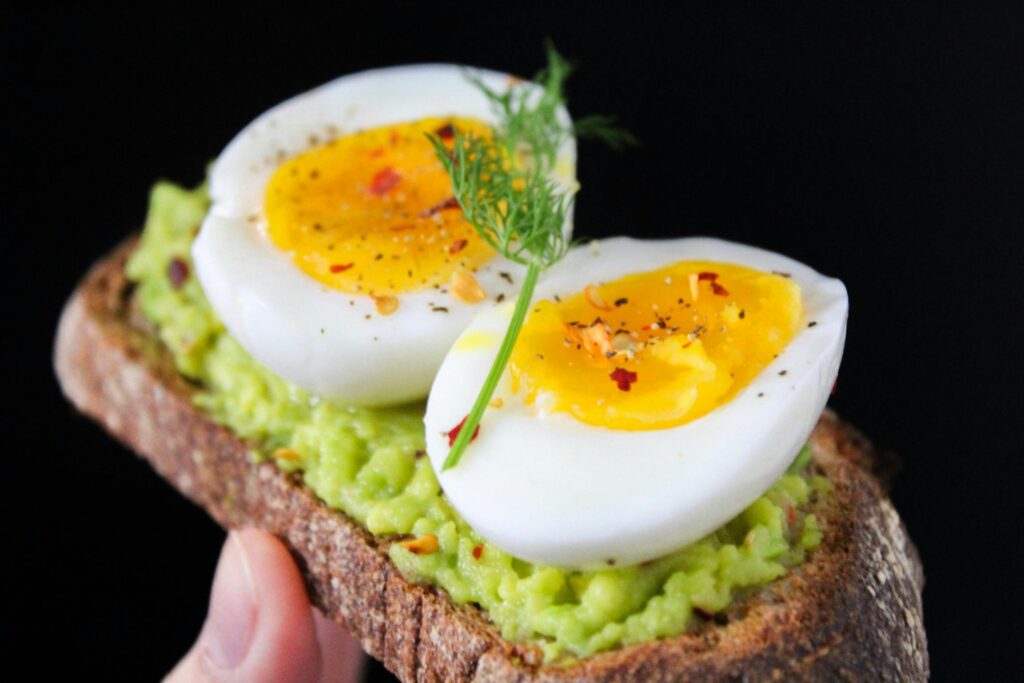
Eggs are a simple, affordable source of high-quality protein, and the yolk contains vitamin D too. Protein is crucial because your bones are not just made of minerals — they also contain collagen, which needs protein to stay strong.
A boiled egg for breakfast or an omelette with vegetables makes an easy bone-friendly meal.
If you’ve been advised to avoid too many eggs due to cholesterol, limit yourself to 4–5 eggs a week or skip some yolks.
8. Beans and Lentils – The Vegetarian Protein Source
For vegetarians, lentils and beans are a blessing. Toor dal, masoor dal, rajma, chana, and moong all contain protein, calcium, and magnesium. They also help balance acid levels in the body, preventing calcium loss from bones.
Try mixing different lentils in your meals — dal soup, sprouted moong salad, or chana chaat are easy, tasty ways to add variety.
Also, fermented dals (like idli or dosa batter) improve nutrient absorption — another win for your bones!
9. Fruits – Especially Oranges, Bananas, and Papayas
Fruits might not directly contain calcium (except a few), but they help your body use calcium better.
Oranges provide vitamin C, which helps form collagen — an important part of bone structure. Bananas are rich in potassium, which prevents calcium loss. Papayas help improve digestion and absorption of nutrients.
A colorful fruit bowl daily is like giving your bones a vitamin boost in every bite.
10. Sunlight – Your Natural Supplement
Okay, this one isn’t a food, but it’s too important to leave out!
Even the best calcium-rich foods won’t help if your body lacks vitamin D — and sunlight is the most natural way to get it.
Just 15–20 minutes of early morning sunlight on your arms and face can help your body make enough vitamin D. It’s free, simple, and absolutely vital for bone strength.
If you stay mostly indoors or live in an area with little sunlight, talk to your doctor about vitamin D supplements.
Bonus Tip: Combine Foods Wisely
It’s not just what you eat — it’s how you eat it. Some simple combinations can improve how well your body absorbs calcium and other bone nutrients.
- Pair calcium-rich foods with vitamin D sources. For example, curd (calcium) with eggs (vitamin D).
- Add vitamin C foods like lemon or guava with leafy vegetables for better absorption.
- Avoid drinking tea or coffee right after meals — caffeine can reduce calcium absorption.
- Include healthy fats (like ghee or olive oil) in small amounts — they help your body use vitamin D efficiently.
Why Bone-Friendly Foods Matter More with Age
As we age, our bones naturally lose density. Women, especially after menopause, are at higher risk because of lower estrogen levels. Men aren’t spared either — by the time they hit 60, bone loss becomes noticeable.
While medication and supplements can help, food is your daily, natural support system. Think of these bone-friendly foods as gentle guardians — protecting you quietly, day after day.
And the best part? These are all common Indian foods — easy to find, affordable, and familiar. You don’t need fancy imported items or supplements; your kitchen already has most of what your bones need.
Simple Bone-Strengthening Meal Ideas
If you’re wondering how to include all these in your daily routine, here’s a sample idea:
Morning:
Start your day with a glass of milk or almond milk and a bowl of ragi porridge. Add banana or papaya slices for natural sweetness.
Lunch:
Have a balanced plate — dal, rice or chapati, a green leafy sabzi, a bowl of curd, and salad with lemon.
Evening snack:
Munch on a handful of almonds or roasted chana with herbal tea.
Dinner:
Try a light meal like vegetable soup, a boiled egg or sprouted salad, and a small bowl of curd.
Before bed:
A glass of warm milk can calm your mind — and give your bones an extra calcium dose before you sleep.
Other Lifestyle Tips for Strong Bones
- Move your body: Gentle walking, yoga, or light strength exercises help keep bones dense.
- Avoid smoking and excess alcohol: Both interfere with bone-building cells.
- Sleep well: Your body repairs and rebuilds tissue during sleep.
- Get regular check-ups: Ask your doctor about a bone density test, especially after 50.
These small habits, combined with bone-friendly foods, can make a big difference in how strong your bones stay as you age.
A Strong Foundation for a Stronger You
Your bones have carried you through life — through work, family, travel, and endless memories. Now, it’s your turn to care for them with love and attention.
Eating for your bones isn’t about restriction; it’s about nourishment. Every sip of milk, every bite of ragi roti, and every spoon of curd adds strength you can count on.
So the next time you’re planning a meal, think of your bones — they deserve that extra care.
What’s your favorite bone-strengthening food or recipe?
Have you tried ragi or sesame in your meals lately?
Share your thoughts and tips in the comments below — and don’t forget to share this blog with your friends and family who want to keep their bones strong and healthy!