One day you’re reading the newspaper comfortably.
The next day, the words look a little lighter… softer… not as sharp as before.
Street signs seem hazy.
Faces feel a little less clear.
And suddenly you’re thinking, “Is this just age catching up with me?”
Blurry vision is incredibly common after 60 — but it is not something we should ignore or accept as “normal ageing.”
Most of the time, blurry vision has a clear cause, and more importantly, a clear solution.
The sooner we act, the easier it is to protect our eyes and prevent further loss of vision.
Let’s talk gently and simply about why your vision becomes blurry, what your eyes might be trying to tell you, and what steps you should take before the problem gets worse.
Why Vision Becomes Blurry as We Age
Our eyes age just like the rest of our body. But unlike other organs, even tiny changes in the eye can affect how sharply we see.
Here are the most common reasons vision becomes blurry after 50–60.
1. Cataract — The Most Common Cause
If everything looks foggy, cloudy, or as though you’re looking through a dusty window, it may be cataract.
Cataract happens when the natural lens inside the eye becomes cloudy.
It develops slowly and causes:
- blurry or dim vision
- difficulty seeing in low light
- glare while driving at night
- needing brighter light while reading
- frequent changes in spectacle power
Cataract is one of the safest and most successful surgeries in the world.
Ignoring it only makes vision worse and makes daily life harder.
2. Dry Eyes — The Overlooked Cause of Blurriness
After 60, our eyes produce fewer tears.
This makes the surface of the eye dry and uneven — and vision becomes blurry, especially:
- in the evening
- while reading
- after long TV hours
- after mobile use
Symptoms include:
- burning sensation
- watery eyes (yes, dryness causes more water!)
- gritty feeling
- fluctuating vision
Simple solutions work beautifully: warm compresses, artificial tears, blinking more often, and reducing screen glare.
3. Weakening of the Eye Muscles
Our eye muscles help us shift focus from near to far.
As we age, these muscles weaken, leading to:
- blurry near vision
- difficulty reading labels or messages
- needing to hold the newspaper farther away
This is normal — but the solution is not ignoring it.
A correct pair of reading glasses brings back clarity instantly.
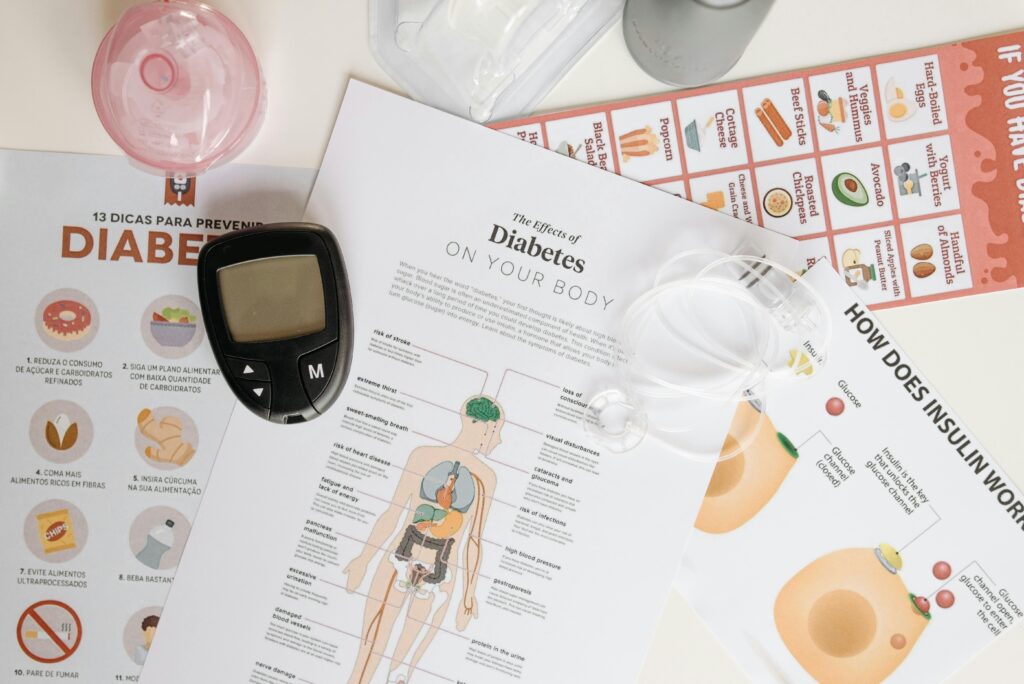
4. Diabetes-Related Eye Changes
Blurry vision in diabetics is not something to take lightly. High sugar levels affect the tiny blood vessels in the retina, causing:
- fluctuating vision
- difficulty reading
- shadows or dark spots
- poor night vision
Diabetic eye disease can be serious, but early detection prevents major complications.
A yearly retina check is non-negotiable for diabetics.
5. Glaucoma — The Quiet Thief of Vision
Glaucoma increases the pressure inside the eye and damages the optic nerve — often without any early warning.
Blurry vision in the advanced stages is common, but by then, damage may be permanent.
Early signs include:
- poor side vision
- frequent headaches
- halos around lights
A simple eye pressure test once a year can detect it early.
6. Macular Degeneration — Trouble With Detailed Vision
If straight lines look wavy…
If faces seem unclear…
If the center of your vision feels blurred…
It may be age-related macular degeneration (AMD).
This affects the part of the eye responsible for sharp, detailed vision.
Early supplements, diet corrections, and treatment can slow it down significantly.
7. Wrong or Outdated Glasses
Sometimes the simplest explanation is the right one.
Most people over 60 need frequent updates in their spectacle number because the lens inside the eye keeps changing.
If you’ve been using the same glasses for 2–3 years, it’s time for a check.
8. High Blood Pressure
High BP quietly affects the small blood vessels in the retina.
This leads to:
- blurry patches
- headaches
- sudden dimming of vision
High blood pressure is treatable — but ignoring vision changes can be risky.
So What Should You Do Before It Gets Worse?
Blurry vision is rarely permanent if treated early.
The key is not to wait until it becomes severe.
Here are the steps every elder should take:
1. Get a Comprehensive Eye Check-Up
Not just a number check — a complete exam including:
- retina scan
- eye pressure check
- cataract screening
- vision clarity test
Once a year is ideal.
Twice a year if you’re diabetic.
2. Take Blurriness Seriously — Even If It Comes and Goes
Fluctuating vision can be a sign of:
- diabetes
- dry eyes
- early cataract
- eye muscle fatigue
Don’t ignore it just because it comes and goes.
3. Keep Diabetes and Blood Pressure Under Control
Good sugar and BP control protect your vision more than any eye drops.
4. Stay Hydrated and Eat Eye-Friendly Foods
Your eyes love:
- leafy greens
- carrots
- coloured fruits
- nuts
- fish
- seeds
- vitamin A, C, E, omega-3s
Food cannot fix an eye disease, but it keeps your eyes healthier for longer.
5. Don’t Overuse Screens at Night
Dim light + tired eyes = blurry vision.
Switch off screens at least an hour before bed to help your eyes recover.
6. Never Delay Cataract Surgery When Recommended
Many elders wait out of fear.
But waiting only makes cataract harder to remove and increases risks.
Modern cataract surgery is painless, quick, and restores clarity beautifully.
Blurry Vision Is Not Your Fault — But Ignoring It Is Not the Answer
Vision changes after 60 are normal, but they’re not something to live with silently.
Most causes of blurriness are treatable.
Many are reversible.
Nearly all are easier to manage when caught early.
Your eyes have served you faithfully for decades.
They deserve attention, care, and timely support.
If your vision has been feeling blurrier lately, share your experience with us — your story may help someone else take their eyesight seriously. And if this blog helped you, pass it along to a friend or family member who might be ignoring their symptoms.